


An Interactive 5-Day Training Course
Introduction to Army Logistics and Supply Chain
Ensuring Operational Readiness through Efficient Logistics
Course Overview
Army logistics and supply chain management are integral to the success of military operations. They encompass the planning, implementation, and control of the movement and maintenance of military forces and their equipment. Efficient logistics and supply chain operations ensure that military personnel are equipped, supplied, and ready to execute their missions effectively and sustainably.
In addition to the core elements of supply chain management, Army logistics also incorporate a wide range of specialized areas that are crucial for operational success. These include the management of ammunition, fuel, medical supplies, and other essential commodities. This Introduction to Army Logistics and Supply Chain training course aims to equip military logisticians with the skills and knowledge required to support and sustain military forces effectively, ensuring they are always mission-ready.
This GLOMACS training course will highlight;
- Supply Chain Management
- Transportation Logistics
- Maintenance and Repair
- Logistics Planning and Strategy
- Technological Integration
Training Outline
DAY 1: Foundations of Army Logistics and Supply Chain
- Introduction to Army Logistics
- Definition and importance in military operations.
- Key principles and concepts in army logistics.
- Historical Perspectives
- Evolution of military logistics through major conflicts.
- Core Components of Army Logistics
- Supply chain management: procurement, storage, and distribution.
- Transportation logistics: strategic and tactical mobility.
- Maintenance and repair operations.
- Roles and Responsibilities
- Key stakeholders in army logistics.
- Roles and responsibilities of logisticians in military operations.
DAY 2: Vendor and Supplier Management
- Vendor Selection and Evaluation
- Criteria for selecting vendors and suppliers.
- Processes for evaluating vendor performance.
- Contract Management
- Developing and managing contracts with vendors.
- Key contractual terms and conditions in military logistics.
- Vendor Relationship Management
- Building and maintaining strong relationships with vendors.
- Communication strategies and conflict resolution.
- Supplier Performance Monitoring
- Key performance indicators (KPIs) for suppliers.
- Techniques for monitoring and evaluating supplier performance.
DAY 3: Supply Chain Performance and Optimization
- Supply Chain Performance Metrics
- Key metrics for measuring supply chain performance.
- Data collection and analysis techniques.
- Optimizing Supply Chain Efficiency
- Lean logistics and process optimization.
- Inventory management and demand forecasting
- Technology in Supply Chain Performance
- Role of technology in enhancing supply chain efficiency.
- Overview of logistics information systems and tools.
- Continuous Improvement Strategies
- Methods for continuous improvement in supply chain performance.
DAY 4: Risk Management in Army Logistics
- Identifying Supply Chain Risks
- Types of risks in military logistics and supply chain.
- Techniques for identifying and assessing risks.
- Risk Mitigation Strategies
- Developing strategies to mitigate supply chain risks.
- Contingency planning and crisis management.
- Risk Monitoring and Control
- Methods for monitoring and controlling supply chain risks.
- Risk reporting and communication.
- Cybersecurity in Logistics
- Importance of cybersecurity in military logistics.
- Strategies for protecting logistics data and systems.
DAY 5: Future Trends and Sustainability in Army Logistics
- Sustainability in Army Logistics
- Environmental considerations and sustainable practices.
- Incorporating green technologies into military logistics.
- Innovative Solutions for Sustainable Logistics
- Renewable energy sources and their applications.
- Case studies on sustainable logistics initiatives.
- Future Trends in Army Logistics
- Anticipated changes and emerging trends.
- Preparing for future logistics challenges.
- Integration with Civilian Logistics
- Collaboration between military and civilian logistics operations.
- Benefits and challenges of joint logistics efforts.
- Integration with Civilian Logistics
Certificates
- On successful completion of this training course, GLOMACS Certificate will be awarded to the delegates
- Continuing Professional Education credits (CPE) : In accordance with the standards of the National Registry of CPE Sponsor, one CPE credit is granted per 50 minutes of attendance
Accreditation
GLOMACS is registered with NASBA as a sponsor of Continuing Professional Education (CPE) on the National Registry of CPE Sponsors. NASBA have final authority on the acceptance of individual courses for CPE credit. Complaints regarding registered sponsors may be submitted to the National Registry of CPE Sponsors through its website: www.learningmarket.org.
All Training Seminars delivered by GLOMACS by default are eligible for CPE Credit.
About Saudi Glomacs
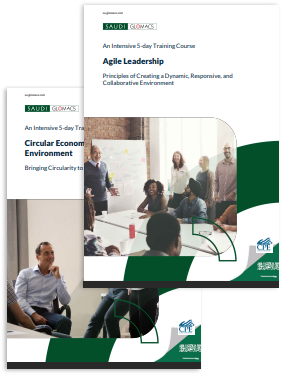
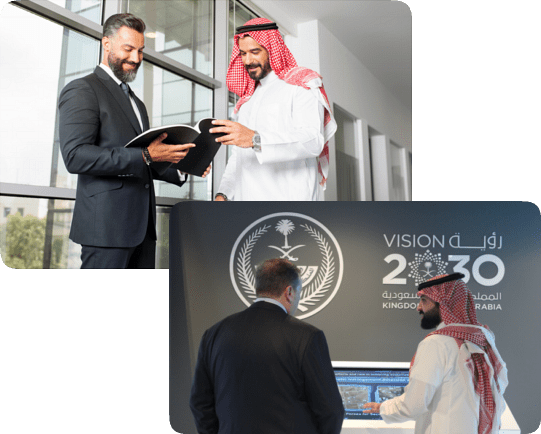
At Saudi GLOMACS, we specialize in delivering world-class training courses in Saudi Arabia and across various international locations. Our training courses are tailored to meet the unique demands of Saudi Vision 2030 and the Human Capability Development Program, focusing on empowering Saudi citizens and enhancing workforce skills. We offer diverse courses spanning leadership, management, engineering, and technical disciplines to cultivate expertise and drive professional growth. Our flexible learning options—whether in-person, online, or in-house—ensure accessibility and convenience for individuals and organizations alike.
With over 30+ years of experience through the GLOMACS global network, we are committed to delivering innovative, results-driven training solutions. Our expert instructors combine industry knowledge with dynamic teaching methods, fostering practical skill development and long-term career success. By choosing Saudi GLOMACS, you're investing in personal excellence and contributing to the Kingdom’s sustainable economic growth and vision-driven transformation.
What do you need to learn next?
Check our list of courses or let us customize a course for you.
View courses